
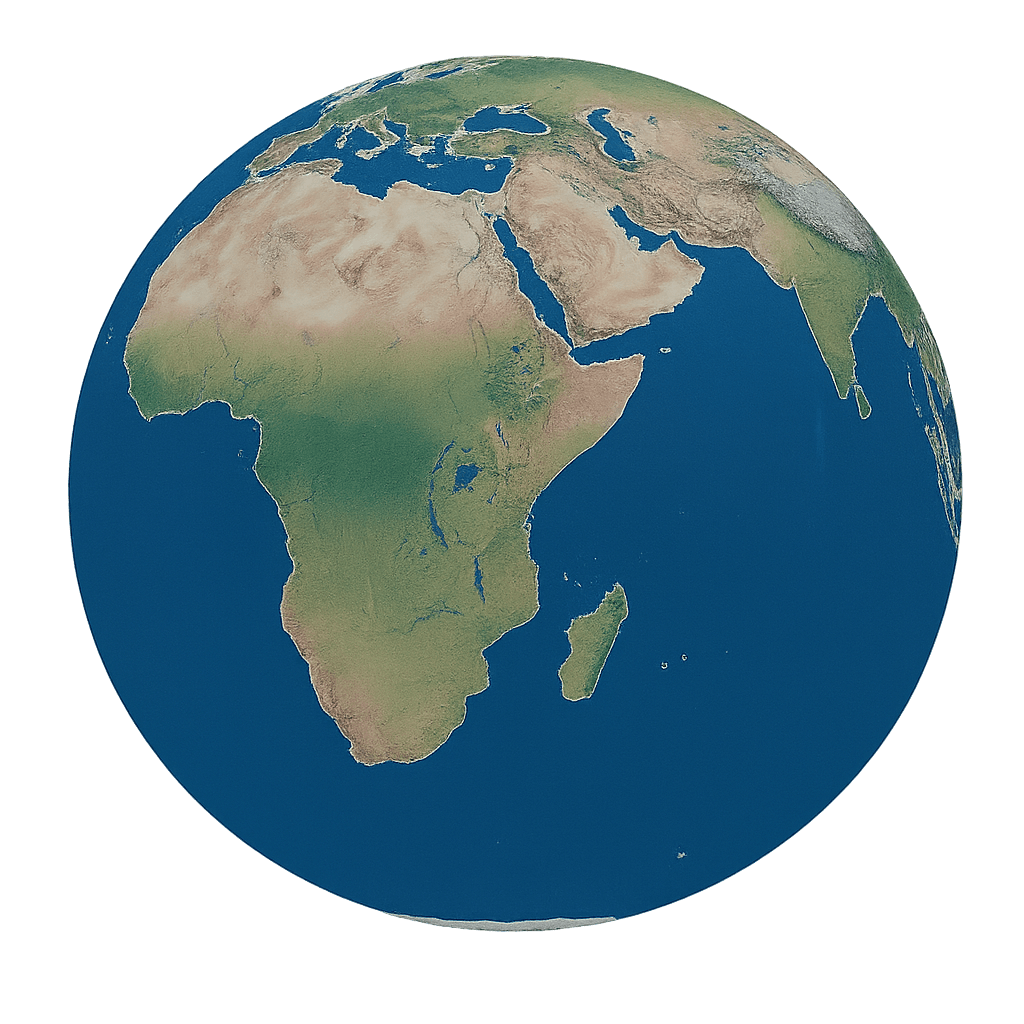
Air Quality & Health: The Cayman Islands National Weather Service has issued a Saharan dust Dust Alert for Friday 26 June through Sunday 28 June, with health officials urging residents to limit time outdoors and keep doors/windows closed, especially children, older adults, and people with asthma or other respiratory conditions. Mosquito Control: The Mosquito Research and Control Unit says Grand Cayman’s mosquito numbers are still high but trending down after a June peak, while warning that recent rainfall could trigger another emergence within about 10 days. Reef Protection: The Department of Environment found an illegal, unpermitted amateur staghorn coral nursery at Smith Cove; the structure has been removed and coral fragments relocated to the official Northwest Point nursery for monitoring. Public Safety Preparedness: An AED has been delivered to the House of Parliament through a partnership led by the Ministry of Health, Environment and Sustainability, with YMCA, Lifeline, and an anonymous donor, plus planned CPR/AED training for staff. Local Governance: Parliament’s agenda included updates on affordable housing progress in Cayman Brac, and the Government’s broader session priorities outlined by the Governor. Storm Watch: Forecasters say no tropical cyclone development is expected over the next week, with the next named storm listed as Bertha.
AGP Executive Report
Your go-to archive of top headlines, summarized for quick and easy reading.
Note: AI summary from news headlines; neutral sources weighted more to help reduce bias in the result. Feedback is welcome. Please let us know if you have any comments or suggestions about the AGP Executive Report.
Mosquito Control Update: The Mosquito Research and Control Unit says Grand Cayman’s mosquito numbers are finally trending down after a June peak, with trap totals dropping from 9,309 (18 June) to 4,723 (22 June), but warns another rise is likely after recent rainfall and urges residents to stay vigilant. Public Health Advisory: Health officials have issued guidance for a Saharan dust plume expected this weekend (26–28 June), noting it can worsen respiratory symptoms—especially for children, older adults, and people with asthma—and advising people to limit time outdoors and keep doors and windows closed. Reef Protection: The Department of Environment found an unpermitted “amateur” staghorn coral nursery at Smith Cove, removed it to prevent damage to living corals, and relocated fragments to its official nursery for monitoring as part of coral restoration. Energy & Consumer Rights: OfReg clarified that Cayman residents with behind-the-meter solar systems that don’t export to the grid can lawfully install and operate them for their own use, without needing a separate export-and-credit programme. Local Capacity Building: MRCU staff completed safety and professional development training, including pesticide safety and spill response, to support safe and effective mosquito control operations.
Mosquito Control Update: The Mosquito Research and Control Unit (MRCU) says Grand Cayman’s mosquito numbers are finally trending down after a June peak, with trap totals falling from 9,309 (18 June) to 4,723 (22 June), but warns vigilance is still needed as recent rainfall could trigger another emergence within about 10 days. Public Health—Saharan Dust Alert: Health officials issued a Dust Alert for 26–28 June, warning Saharan dust can worsen respiratory symptoms, especially for children, older adults, and people with asthma or chronic conditions, with guidance to limit outdoor time and keep doors/windows closed. Reef Protection—Illegal Coral Nursery: The Department of Environment found an unpermitted amateur staghorn coral nursery at Smith Cove, removed it to prevent damage to living reef, and relocated fragments to the official Northwest Point nursery for monitoring. Energy Policy—Solar Self-Consumption Clarified: OfReg clarified that consumers with behind-the-meter solar PV and battery storage for their own use can lawfully install and operate systems without needing an export-and-credit programme when no power is fed into the grid. Emergency Preparedness—AED Delivered to Parliament: A new AED has been delivered to the House of Parliament via a partnership with the Ministry of Health, YMCA, Lifeline, and an anonymous donor, with CPR/AED training planned for staff. Affordable Housing—Cayman Brac Builds On: The Sister Islands Affordable Housing Development Corporation is advancing construction of new affordable homes at “The Highlands” in Spot Bay Bluff, with four three-bedroom homes underway and a shift to a needs-based application system.
Saharan Dust Alert: The Cayman Islands National Weather Service has issued a Dust Alert for Friday 26 June through Sunday 28 June, with health officials urging residents to limit time outdoors and keep doors and windows closed as the plume can worsen respiratory symptoms, especially for children, older adults, and people with asthma. Mosquito Control Update: The Mosquito Research and Control Unit says Grand Cayman’s mosquito numbers are trending down from the June peak (9,309 on 18 June to 4,723 by 22 June), but warns vigilance is still needed because rain can trigger another emergence within about 10 days. Reef Protection: The Department of Environment found an unpermitted amateur staghorn coral nursery at Smith Cove, removed it to protect living reef areas, and relocated fragments to its official nursery at Northwest Point for monitoring. Local Health Preparedness: An AED has been delivered to the House of Parliament through a partnership led by the Ministry of Health, Environment and Sustainability, YMCA, Lifeline, and a donor, with CPR/AED training planned for parliamentary staff. Renewable Energy Clarity: OfReg clarified that behind-the-meter solar self-consumption systems for residents’ own use are lawful without a separate export-and-credit programme when no power is fed into the grid.

Public Health Advisory: The Cayman Islands National Weather Service has issued a Saharan dust alert for Friday 26 June through Sunday 28 June, with MHES and the Public Health Department urging residents—especially children, older adults, and people with asthma or chronic respiratory conditions—to limit time outdoors, keep doors and windows closed, and seek care if symptoms worsen. Vector Control Update: The Mosquito Research and Control Unit says mosquito numbers across Grand Cayman are still high but trending down, with trap totals falling from a June peak of 9,309 (18 June) to 4,723 (22 June), while warning that recent rainfall could trigger another emergence within about 10 days. Reef Protection: The Department of Environment says an illegal, unpermitted amateur coral nursery was found at Smith Cove, with staghorn coral fragments removed and relocated to the DoE’s Northwest Point nursery to reduce harm to living reef. Local Water Security: OfReg has granted Consolidated Water a new 25-year exclusive retail water license for Grand Cayman operations, with service areas including Seven Mile Beach and West Bay, starting 1 August 2026. Energy Policy Clarity: URCO has clarified that non-export “behind-the-meter” solar PV and battery self-consumption systems can be installed and operated for customers’ own use without needing an export-and-credit programme.
Hurricane Watch: Forecasters say the next named Atlantic storm will be Bertha, with no tropical cyclone development expected over the next seven days—good news for Cayman as the season continues. Reef Protection: The Department of Environment found an illegal amateur staghorn coral nursery at Smith Cove, removed the structure, and relocated 70+ coral fragments to its Northwest Point nursery; officials warn unpermitted rope attachments can damage living reef and complicate growth. Water Security: Consolidated Water won a new 25-year exclusive retail water license for Grand Cayman operations, with a start date of Aug. 1, 2026, covering key areas including Seven Mile Beach and West Bay. Solar Rights Clarified: URCO/OfReg reiterated that non-export “self-consumption” solar and battery systems for customers’ own use are lawful and don’t require an export-and-credit programme when no power goes to the grid. Public Health Update: Health officials report investigations continue into a single confirmed Legionnaires’ disease case; water source testing is complete and lab results are expected within 10 days, with no additional cases detected. Food Safety Advisory: A toxoplasmosis exposure advisory was issued after feral cats in West Bay were tested positive, urging hygiene and food-safety precautions.
Reef Protection: The Department of Environment says it found an illegal, unpermitted amateur coral nursery at Smith Cove with 70+ staghorn coral fragments. Scientists removed the structure and moved the corals to the DoE’s Northwest Point nursery, warning that ropes tied to living and dead boulders can break and abrade reef life and that fraying materials can hinder growth. Water Security: Consolidated Water’s Cayman Water Company has received a new 25-year exclusive retail water license from OfReg for Grand Cayman potable water service, starting Aug. 1, 2026, covering areas including Seven Mile Beach and West Bay. Energy Rules for Solar: OfReg clarified that Cayman consumers can lawfully install and run non-export “self-consumption” solar PV and battery systems for their own use without needing a separate export-and-credit programme. Public Health Watch: Health officials continue investigating a single confirmed Legionnaires’ disease case; water source testing is complete and samples are at a specialized lab, with results expected within 10 days, and no wider risk indicated. Conservation Science: The DoE Shark Research Team deployed the first Birth-Alert-Tag in a pregnant Caribbean reef shark, using ultrasound and samples to better understand reproductive timing.
Parliament & Health-Environment Funding: In the 23 June sitting, Acting Deputy Governor Gloria McField-Nixon was sworn in and 24 annual reports were tabled, including the Poinciana Rehabilitation Centre’s 2025 update—operating below capacity but facing staffing challenges, with plans to expand training and recruitment. Coral Protection: The Department of Environment says an illegal staghorn coral nursery was found at Smith Cove without the required NCC permit; fragments were removed and moved to the Northwest Point nursery for restoration. Energy Rules for Solar: URCO clarified that non-export “behind-the-meter” self-consumption solar and battery systems can be lawfully installed and run for customers’ own use, without a separate export-and-credit programme. Public Health Watch: Health officials continue investigating Cayman’s single confirmed Legionnaires’ case; environmental water testing is complete and lab results are expected within 10 days, with no sign of wider risk. Wildlife & Biosecurity: DENR reported capturing a northern curly-tailed lizard likely introduced via a shipping container, highlighting ongoing border vigilance. Shark Research Milestone: The DoE Shark Research Team deployed the first Birth-Alert-Tag on a pregnant Caribbean reef shark, using ultrasound and samples to study reproductive timing. Local Safety & Infrastructure: RCIPS says policing costs for the Out of This World 2026 music festival were recoverable from organisers, and it has also bought 24 new marked service vehicles to improve safer, more efficient operations.
Coral Protection: The Department of Environment found an illegal staghorn coral nursery at Smith Cove—70+ coral fragments were attached to ropes on the reef without the required NCC permit—then removed the structure and moved the fragments to the Northwest Point nursery for monitoring. Energy Rules: URCO clarified that Cayman residents can lawfully run behind-the-meter solar PV and battery systems for their own use without needing an export-and-credit programme when no power goes to the grid. Public Health Watch: Health officials say they’ve completed environmental testing for a single confirmed Legionnaires’ disease case; results are expected within 10 days, with no source yet identified and no sign of wider risk. Wildlife & Biosecurity: DENR captured a northern curly-tailed lizard likely introduced via a shipping container, warning that new arrivals could threaten local endemic skinks. Marine Science: The DoE Shark Research Team deployed the first Birth-Alert-Tag on a pregnant Caribbean reef shark, using ultrasound and samples to improve understanding of reproductive timing. Local Policing: RCIPS says 24 new marked service vehicles (CI$1.56M) are now on patrol, fitted with added safety and computer technology.
Coral Protection: The Department of Environment found an illegal staghorn coral nursery at Smith Cove—70+ coral fragments were attached to ropes on the reef without the required NCC permit. The structure was removed and fragments were moved to the DoE’s Northwest Point nursery for monitoring, with penalties under the National Conservation Act. Energy Rules for Households: URCO/OfReg clarified that Cayman residents can lawfully install and run non-export “behind-the-meter” solar PV and battery systems for their own use, without needing an export-and-credit programme—aimed at reducing uncertainty and supporting a cleaner, more resilient energy mix. Public Health Watch: Health officials continue investigating a single confirmed Legionnaires’ disease case. Environmental testing of likely water sources is complete and samples are at a specialised lab, with results expected in about 10 days; no additional cases have been detected. Wildlife & Biosecurity: DENR captured a northern curly-tailed lizard in Bermuda after a customs report—likely a stowaway from Florida—highlighting the risk of non-native species to Cayman’s endemic skinks. Shark Research Milestone: The DoE Shark Research Team deployed the first Birth-Alert-Tag on a pregnant Caribbean reef shark, using ultrasound and samples to better understand reproduction timing. One Health Advisory: The Ministry issued a toxoplasmosis advisory after toxoplasmosis exposure was detected in feral cats in West Bay, urging hygiene and food-safety precautions. Waste & Recycling Focus: Minister Katherine Ebanks-Wilks visited the UK to discuss waste management, recycling and circular economy best practices, including the Blue Belt Programme for ocean conservation.
Public Health Watch: Cayman health officials say investigations into the territory’s single confirmed Legionnaires’ disease case are ongoing, with water-source environmental testing completed and samples sent to a specialised lab; results are expected within 10 days, and officials stress there’s no sign of a wider public risk. One Health & Animal Health: The Ministry of Health, Environment and Sustainability and partners issued a toxoplasmosis advisory after feral cats in West Bay were found to have exposure, urging hygiene and food-safety precautions—especially for pregnant people and immunocompromised residents. Marine Conservation: The Department of Environment’s Shark Research Team deployed the first Birth-Alert-Tag on a pregnant Caribbean reef shark, using ultrasound to confirm pups and collecting samples to better understand reproductive timing. Biodiversity at the Border: DENR reports a northern curly-tailed lizard was captured after being spotted at a shipping agent site, likely arriving via a container—highlighting the risk of new species establishing. Waste & Recycling Push: Environment Minister Katherine Ebanks-Wilks visited the UK to discuss waste management, recycling and circular economy best practices, including ocean conservation efforts. Mosquito Control: MRCU says aerial larviciding and ground operations reduced a rainy-season mosquito emergence, though weather has delayed some planned aircraft treatments. Energy Policy Clarity: URCO issued guidance confirming the existing legal position for non-export behind-the-meter solar PV and battery self-consumption systems, aiming to reduce uncertainty for consumers and installers.
Public Health Update: Cayman health officials say investigations continue into a single confirmed Legionnaires’ disease case, with environmental testing of likely water sources finished and samples sent to a specialist lab; results are expected within 10 days, and officials stress there’s no sign of wider risk and the illness isn’t spread person-to-person. One Health & Animal Health: The Ministry of Health, Environment and Sustainability issued a toxoplasmosis advisory after exposure was detected in feral cats trapped and tested in West Bay, urging residents to follow hygiene and food-safety guidance, especially for higher-risk groups. Marine Conservation: The Department of Environment’s Shark Research Team deployed the first Birth-Alert-Tag in a pregnant Caribbean reef shark, using ultrasound to confirm pups and collect samples to better understand reproductive timing. Invasive Species Watch: DENR says a northern curly-tailed lizard was captured after being reported at a shipping agent site, likely arriving via a container from Florida—highlighting the risk to local wildlife. Weather Resilience: The Cayman Islands National Weather Service added four meteorology staff to improve round-the-clock coverage and forecasting accuracy. Energy Policy: URCO clarified the legal position for customer self-consumption solar PV and battery systems, confirming non-export setups can operate without a separate export-and-credit programme. Waste & Recycling Focus: The environment ministry’s UK trip centered on best practices for building a modern integrated waste system, recycling and circular economy goals.
Marine Conservation Breakthrough: The Department of Environment (DoE) Shark Research Team deployed the first Birth-Alert-Tag in a pregnant Caribbean reef shark, using ultrasound to confirm three pups and collecting samples to improve understanding of reproductive timing. Biodiversity & Biosecurity: DENR captured a northern curly-tailed lizard in a shipping-agent area, likely a stowaway from Florida, warning that the species could threaten local endemic skinks if it establishes. Public Health Update: Health officials say the Legionnaires’ disease case remains isolated, with environmental water testing completed and results expected within 10 days; no person-to-person spread is reported. Climate & Waste Policy: Minister Katherine Ebanks-Wilks returned from UK meetings focused on waste reduction, recycling and circular economy best practices, including the UK Blue Belt Programme for ocean conservation. Mosquito Control: MRCU reports recent aerial larviciding and ground operations reduced a rainy-season mosquito emergence, though weather has delayed some planned aircraft treatments. Weather Service Upgrade: Cayman National Weather Service added four meteorology staff to expand monitoring and improve forecasting for public safety and resilience.
Marine Conservation Breakthrough: Cayman’s Department of Environment Shark Research Team deployed the first Birth-Alert-Tag in a pregnant 2-metre Caribbean reef shark, confirming pregnancy with ultrasound and collecting samples to better understand reproductive timing. Public Health Watch: Health officials say a confirmed Legionnaires’ disease case is isolated, with no additional cases detected; environmental water testing is complete and lab results are expected within 10 days. Wildlife & Biosecurity: DENR captured a northern curly-tailed lizard likely introduced via a shipping container from Florida, warning that the species could outcompete local skinks if it establishes. Waste & Recycling Push: Minister Katherine Ebanks-Wilks travelled to the UK to discuss best practices for building a modern integrated waste management system, including marine conservation and circular economy approaches. Weather Service Upgrade: Cayman Islands National Weather Service added meteorologists to expand round-the-clock coverage and improve forecasting for public safety and resilience. Mosquito Control Update: MRCU reports larviciding and ground control reduced a rainy-season emergence, though weather has delayed some planned aircraft treatments. Marine Tourism Rules: A boat captain was fined for handling stingrays outside a Wildlife Interaction Zone, with the DoE urging tour staff certification. Local Environment Governance: DEH launched an online garbage-fee payment portal to cut paper use and reduce trips, with instant account updates.
Public Health Update: Cayman health officials say a single confirmed Legionnaires’ disease case is being investigated, with no additional cases detected so far; environmental water testing has been completed and lab results are expected within 10 days, while the risk to the wider public is considered low. Marine Conservation Breakthrough: The Department of Environment’s Shark Research Team has deployed the first Birth-Alert Tag on a pregnant Caribbean reef shark, using ultrasound to confirm three pups and collecting samples to better understand reproductive timing. Wildlife & Biosecurity: DENR captured a northern curly-tailed lizard reported by Customs as a likely stowaway in a shipping container imported from Florida—highlighting the threat of non-native species to local ecosystems. Local Enforcement for Marine Life: A boat captain was fined $7,000 for handling stingrays outside a Wildlife Interaction Zone, with the DoE stressing that feeding/handling marine life is only allowed within designated areas. Weather & Resilience: The Cayman Islands National Weather Service has added four meteorology staff to expand round-the-clock coverage and improve forecasting for planning and public safety. Waste & Recycling Focus: Environment Minister Katherine Ebanks-Wilks visited the UK to discuss best practices for modern, integrated waste management, recycling, and circular economy goals, including the Blue Belt marine conservation programme. Conservation vs Development Dialogue: Government says a mediated “Cayman Forward” meeting helped start reducing the long-running clash between conservation and development, with assurances the National Conservation Act won’t be weakened. Mosquito Control Update: MRCU reports aerial larviciding and ground control reduced the size and duration of the rainy-season emergence, though weather has delayed some planned aircraft treatments. Tourism & Reef Appeal (context): A travel feature highlights Cayman’s family-friendly beaches and coral reefs, while also noting the need to plan around hurricane season.
Invasive Species Watch: DENR moved fast after a Customs Officer reported an unusual lizard at a shipping agent’s parking lot, capturing a northern curly-tailed lizard (Leiocephalus carinatus) likely stowed in a container from Florida—an animal that could threaten local endemic skinks if it becomes established. Marine Conservation Breakthrough: The DoE Shark Research Team deployed the first Birth-Alert-Tag in a pregnant Caribbean reef shark, using ultrasound to confirm three large pups and collecting DNA and blood samples to better understand reproductive timing. Public Health Alert: Health officials are investigating a confirmed Legionnaires’ disease case; it’s isolated, with no additional infections found and the risk to the wider public considered low. Mosquito Control Update: MRCU reports mosquito numbers are still higher than ideal, but recent aerial larviciding and ground control reduced the size and duration of the rainy-season emergence; weather has delayed some planned aircraft treatments. Weather Service Upgrade: The Cayman Islands National Weather Service has added four meteorology staff to expand monitoring and improve forecasting and earlier warnings. Local Governance & Environment: The government says a “Cayman Forward” meeting helped start easing the long-running conservation-versus-development clash, with assurances the National Conservation Act won’t be weakened. Waste & Recycling Push (UK): Minister Katherine Ebanks-Wilks returned from UK talks focused on building a modern integrated waste management system, including recycling and circular economy approaches.
Marine Conservation Breakthrough: Cayman’s Department of Environment Shark Research Team has deployed the first Birth-Alert-Tag in a pregnant two-metre Caribbean reef shark, confirming pregnancy with portable ultrasound and collecting DNA and blood samples to better understand reproductive timing. Waste & Recycling Push: Environment Minister Katherine Ebanks-Wilks travelled to the UK to meet DEFRA and others on modern waste systems, recycling and circular economy approaches, with a focus on the Blue Belt Programme and ocean conservation. Public Health Watch: Health officials are investigating a confirmed Legionnaires’ disease case in Cayman; it’s isolated and the risk to the wider public is considered low while exposure sources are identified. Mosquito Control Update: The Mosquito Research and Control Unit reports aerial larviciding and ground efforts have reduced a rainy-season emergence, though weather has delayed some planned aircraft treatments. Local Marine Rules Enforced: A boat tour employee was fined $7,000 after feeding stingrays outside a Wildlife Interaction Zone, with the court urging marine operators and staff to be DoE certified. Weather Service Upgrade: Cayman Islands National Weather Service has added four meteorologists to expand monitoring and improve forecasting and earlier warnings. UK Engagements on Conservation: A Cayman delegation highlighted small-island leadership on marine biodiversity, climate resilience, environmental governance and sustainable development during UK meetings. Sustainability Recognition: Sustainable Cayman’s Melanie Carmichael received a King’s Birthday Honours award for sustainability and conservation work. DEH Digital Payments: The Department of Environmental Health is launching an online garbage-fee payment portal to cut paper use and speed up account updates.
Marine Conservation Breakthrough: The Department of Environment’s Shark Research Team has deployed the first Birth-Alert-Tag in a pregnant two-metre Caribbean reef shark, confirming pregnancy with portable ultrasound and collecting DNA and blood samples with Oregon State University support. Local Wildlife Protection & Enforcement: A boat tour employee was fined $7,000 for handling stingrays outside a Wildlife Interaction Zone, with the Chief Magistrate urging marine tour staff to be DoE certified. Waste & Recycling Push: Environment Minister Katherine Ebanks-Wilks visited the UK to discuss best practices for building a modern, integrated waste system, including recycling and circular economy approaches, with a focus on the UK’s Blue Belt Programme. Public Health Watch: Health and Public Health teams are investigating a confirmed Legionnaires’ disease case; officials say it’s isolated and the risk to the wider public remains low. Mosquito Control Update: The Mosquito Research and Control Unit reports aerial larviciding and ground efforts reduced a rainy-season emergence, though weather has delayed some planned aircraft treatments. Weather Service Upgrade: Cayman’s National Weather Service has hired four meteorologists to expand round-the-clock coverage and improve forecasting. UK Engagements: Cayman highlighted small-island leadership in conservation and sustainability during UK meetings spanning marine biodiversity, climate resilience, and waste management. Sustainability Recognition: Melanie Carmichael of Sustainable Cayman received a King’s Birthday Honours award for services to sustainability and conservation.
Local Environment Policy: Environment and Sustainability Minister Katherine Ebanks-Wilks returned from the UK after meetings on waste reduction, recycling and circular economy planning, with a major focus on marine conservation and the UK’s Blue Belt Programme. Public Health: Health officials are investigating a confirmed Legionnaires’ disease case in the Cayman Islands; they say it’s isolated and the risk to the wider public remains low. Marine Wildlife Rules: A boat tour employee was fined $7,000 for handling a stingray outside a Wildlife Interaction Zone, with the Department of Environment reiterating that feeding/handling marine life must stay within designated areas. Weather & Resilience: The Cayman Islands National Weather Service added four meteorologists to expand round-the-clock coverage and improve forecasting for earlier warnings and better planning. Mosquito Control: The Mosquito Research and Control Unit reports aerial larviciding and ground efforts reduced a rainy-season emergence, though weather has delayed some planned aircraft treatments. Sustainability Recognition: Melanie Carmichael of Sustainable Cayman received a King’s Birthday Honours award for sustainability and conservation work.
Marine Life Rules: A Cayman boat tour employee was fined $7,000 for handling stingrays outside a Wildlife Interaction Zone, with the Department of Environment urging marine tour staff to get certified. Public Health: Health and environmental officials are investigating a confirmed Legionnaires’ disease case; authorities say it’s isolated and the risk to the wider public is low. Mosquito Control: The Mosquito Research and Control Unit reports progress after aerial larviciding and ground efforts, though weather has delayed some planned aircraft treatments. Weather Service Capacity: The Cayman Islands National Weather Service has hired four meteorologists to expand round-the-clock coverage and improve forecasting and early warnings. Waste Fees Digitised: The Department of Environmental Health is rolling out an online garbage-fee payment portal on 22 June to cut travel and paper use while speeding up account updates. Conservation vs Development: Government says a “Cayman Forward” meeting helped start resolving the long-running tension between conservation and development, with assurances the National Conservation Act won’t be weakened. Sustainability Recognition: Melanie Carmichael of Sustainable Cayman received a King’s Birthday honour for sustainability and conservation work in the Islands.
Sign up for:
Climate Review Cayman Islands
The daily local news briefing you can trust. Every day. Subscribe now.
Check Your Email!
We sent a one-time activation link to: .
Confirm it's you by clicking the email link.
If the email is not in your inbox, check spam or try again.
Welcome back!
is already signed up. Check your inbox for updates.